
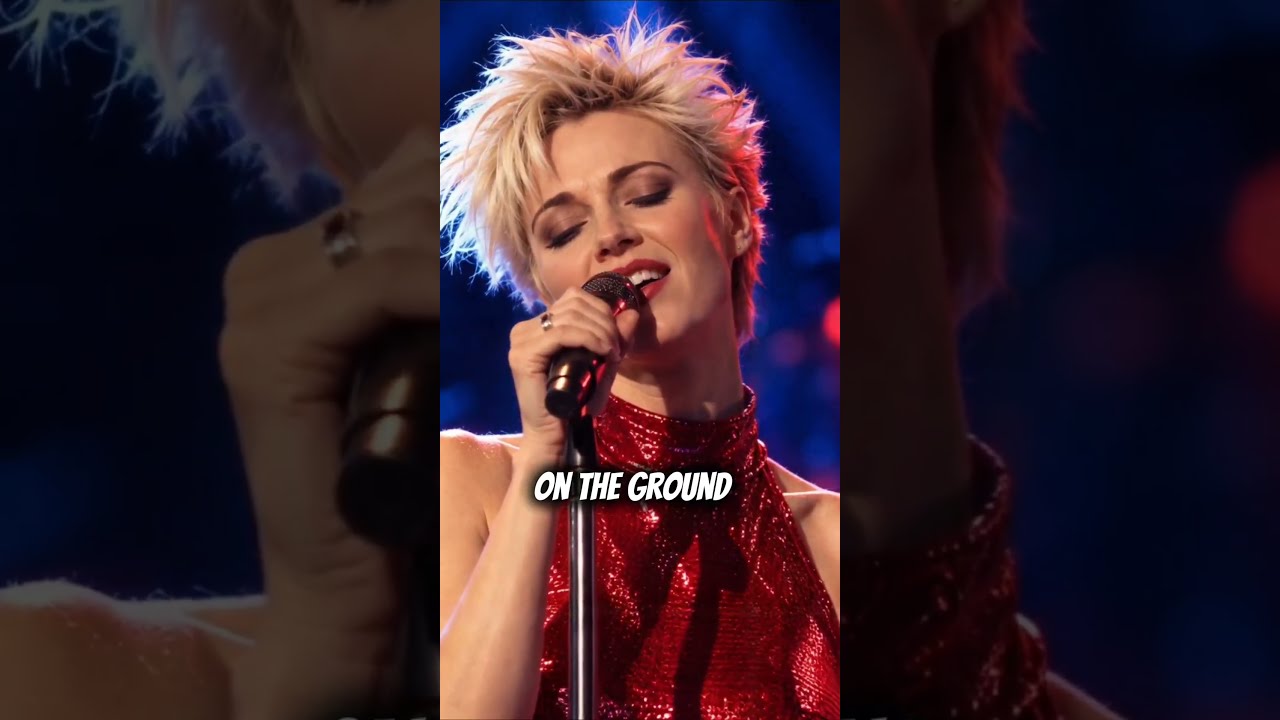
Few songs from the late 1980s carry the emotional weight and sustained cultural resonance of “It Must Have Been Love” by the Swedish pop duo Roxette.
Originally released in 1987 as a Christmas single in Sweden under the title “It Must Have Been Love (Christmas for the Broken Hearted),” the track introduced the world to a particular kind of romantic melancholy that the duo would go on to perfect throughout their career.
The song opens with one of the most recognizable vocal entrances in European pop history, drawing the listener immediately into a landscape of longing, winter mornings, and the quiet aftermath of a love that has run its course.
The duo behind the recording consisted of Per Gessle, the guitarist and primary songwriter, and Marie Fredriksson, whose vocal performances became the emotional center of everything Roxette produced.
Fredriksson’s voice possessed a rare quality — warmth that could simultaneously convey vulnerability and resolve — and “It Must Have Been Love” showcased that quality from its opening moments.
Gessle wrote the song with a deliberate seasonal melancholy in mind, capturing the particular loneliness that can settle in during winter months when a relationship has ended but memories still occupy the spaces where a person used to be.
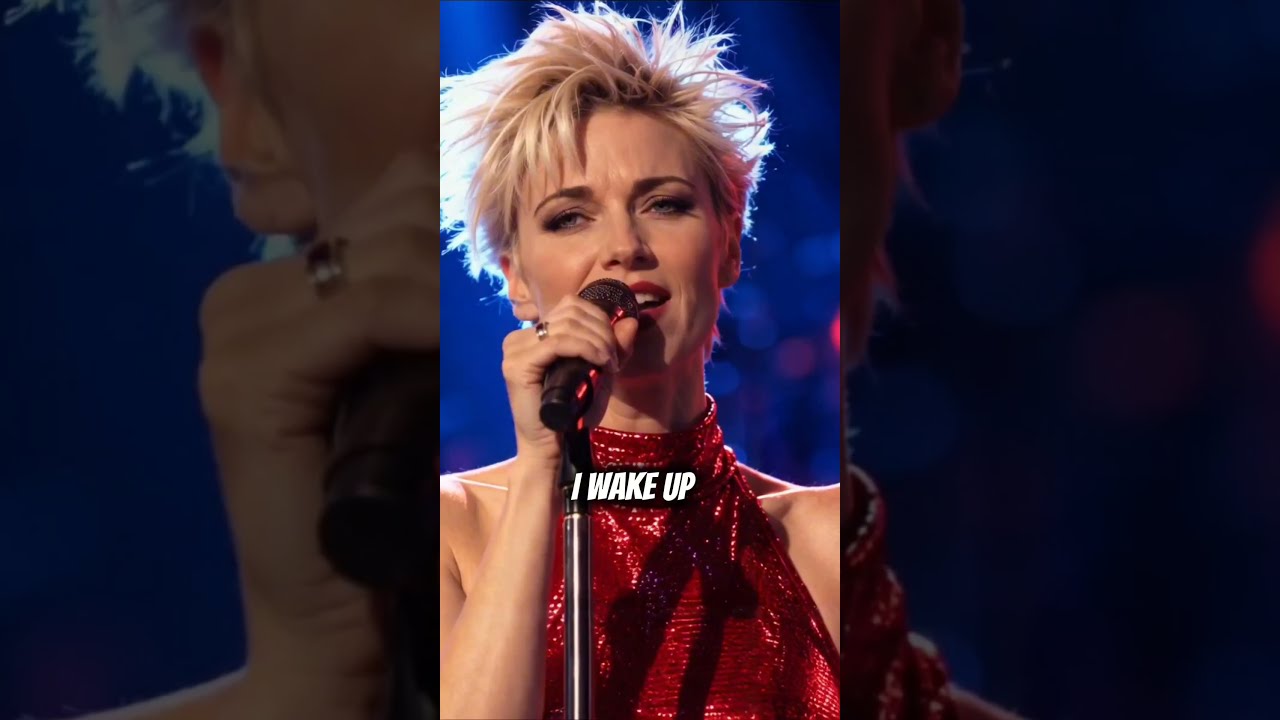
The 1987 version was recorded as a promotional release tied to Christmas, but its themes were never truly seasonal. The imagery of whispers on a pillow, the silence of an empty bedroom, the act of closing one’s eyes to dream rather than confront an absence — these were universal experiences dressed in wintry language.
Swedish listeners responded warmly, but the song’s wider international reach would come later, through circumstances that neither the duo nor their label could have fully anticipated at the time of its original release.
In 1990, the American romantic comedy “Pretty Woman,” starring Richard Gere and Julia Roberts, transformed the song’s commercial trajectory entirely. The film’s music supervisor selected a re-recorded version of the track for inclusion on the soundtrack, and what had been a modestly successful Scandinavian Christmas single was suddenly playing in cinemas across North America, Europe, and beyond.
The re-recorded version featured a slightly updated production arrangement suited to the sonic landscape of 1990, but Fredriksson’s vocal performance retained the same emotional core that had made the original recording so affecting.
The song climbed to number one in the United Kingdom and reached the top ten in the United States, giving Roxette their third major American h.i.t following “The Look” and “Listen to Your Heart.”
What made the song’s placement in “Pretty Woman” so effective was the alignment between its emotional register and the film’s narrative arc. The track plays during a montage that captures the uncertain, transient quality of the central relationship — two people aware that what they share may not be built to last, yet fully present within it nonetheless.
The lyric’s reflection on a love that has already ended, told in the past tense from a place of quiet acceptance, gave audiences something to hold onto long after they left the theater.
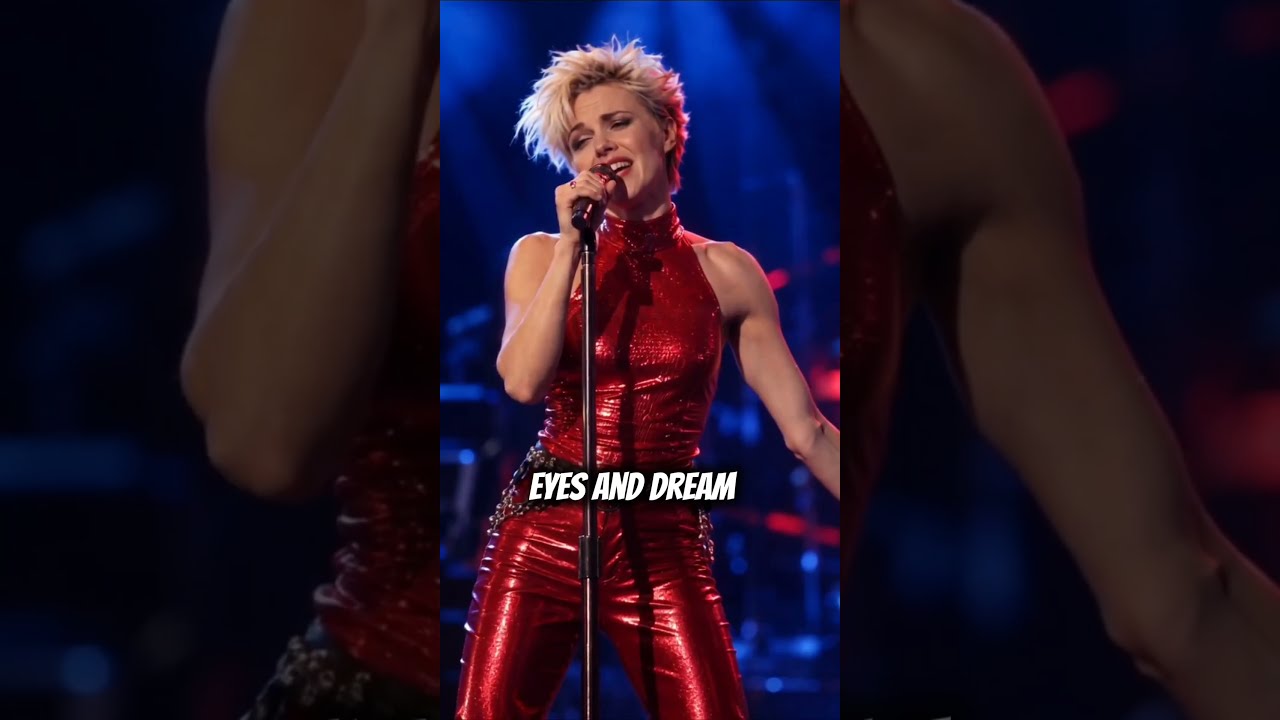
It became one of those rare instances where a song and a scene achieve a mutual amplification, each making the other more memorable than it might have been in isolation.
Roxette’s broader catalog during this period demonstrated a consistent ability to move between guitar-driven pop and orchestrated balladry with a fluency that few acts managed. Gessle’s songwriting instincts leaned toward melodic precision — the kind of hook construction that sounds effortless but reflects careful craft.
Fredriksson’s vocal delivery complemented this with an interpretive sensitivity that elevated even straightforward lyrical sentiments into something that felt genuinely felt. On “It Must Have Been Love,” the production supports rather than overwhelms, allowing the voice to sit forward in the mix where the listener can follow every shade of expression.
The song’s arrangement is built around a slow-building piano introduction, sparse percussion, and a string-inflected backdrop that fills out gradually as the track progresses. By the time the chorus arrives, the sense of emotional accumulation is deliberate and earned.
The bridge offers a key modulation that opens the song into a wider register, giving Fredriksson room to extend her phrasing and deliver the lyric’s central admission — that the love in question was real, that it mattered, and that its ending represents a genuine loss rather than a relief. It is the kind of structural decision that separates professionally crafted pop from songs that simply fulfill a formula.
Marie Fredriksson’s later life added a further dimension to how audiences engage with this song. In 2002, she was diagnosed with a brain tumor following a cerebral hemorrhage and underwent years of treatment that significantly limited her ability to perform and record.
She made a remarkable partial recovery and continued to work with Gessle on new material, but the experience understandably colored public perception of her earlier recordings.

Performances and recordings from before 2002 acquired an additional poignancy, as listeners found themselves aware of the contrast between the voice captured in those sessions and the difficulties Fredriksson would later face. She passed away in December 2019, prompting an outpouring of tribute from fans and fellow musicians across Europe and beyond.
The enduring online engagement with “It Must Have Been Love” reflects a generational attachment that has only deepened with time. Platforms hosting lyric videos, live performances, and studio recordings of the track continue to attract substantial viewing figures, particularly from audiences who first encountered the song through “Pretty Woman” or through radio play during the early 1990s.
For many listeners in their forties and fifties, the song functions as an auditory anchor — a piece of music inseparably tied to a specific period of their lives, a relationship, or simply the emotional texture of a particular year.
Memory FM’s presentation of the track situates it within a catalog of songs that have demonstrated staying power beyond their original commercial moment. The channel’s approach reflects a recognition that certain recordings from the 1980s and early 1990s continue to find new audiences, particularly as algorithmic recommendation surfaces them alongside contemporary content.
“It Must Have Been Love” occupies a specific category within that archive — a song that requires no nostalgia to appreciate, because its emotional content is not dependent on the era in which it was made. The melody, the lyric, and the performance speak directly to experiences that remain current regardless of decade.
For listeners who grew up with this recording and for those encountering it for the first time, the version presented in the video below offers an opportunity to engage with one of European pop’s most carefully constructed and emotionally sustained ballads. The full performance is available to watch now.
